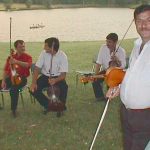
Introductory note from the director of the American Hungarian Folklore Centrum
(Amerikai Magyar Népművészeti Központ)
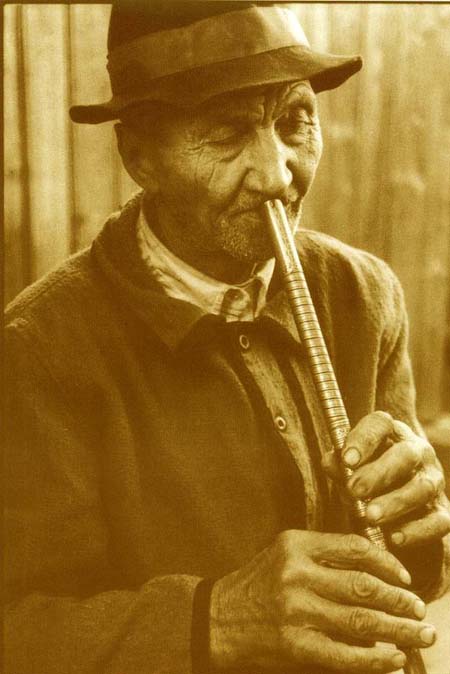
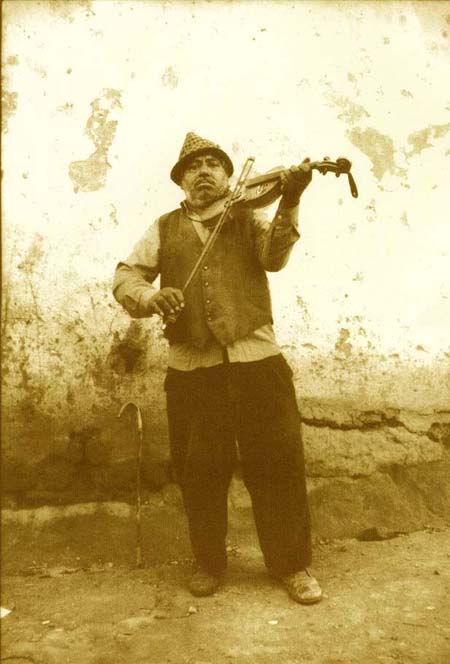
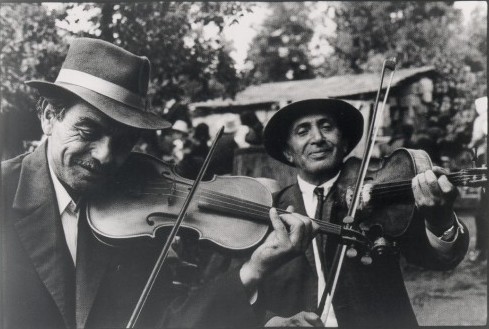
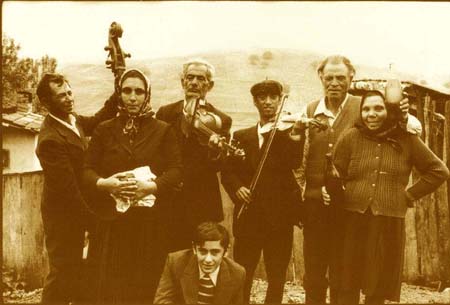
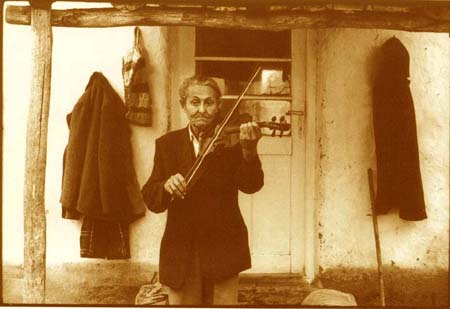
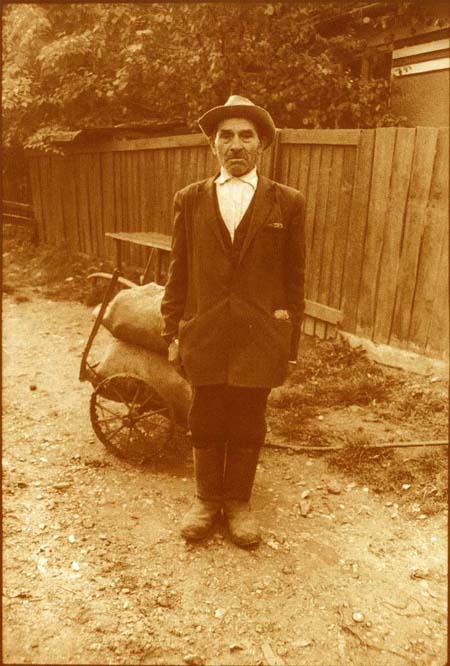
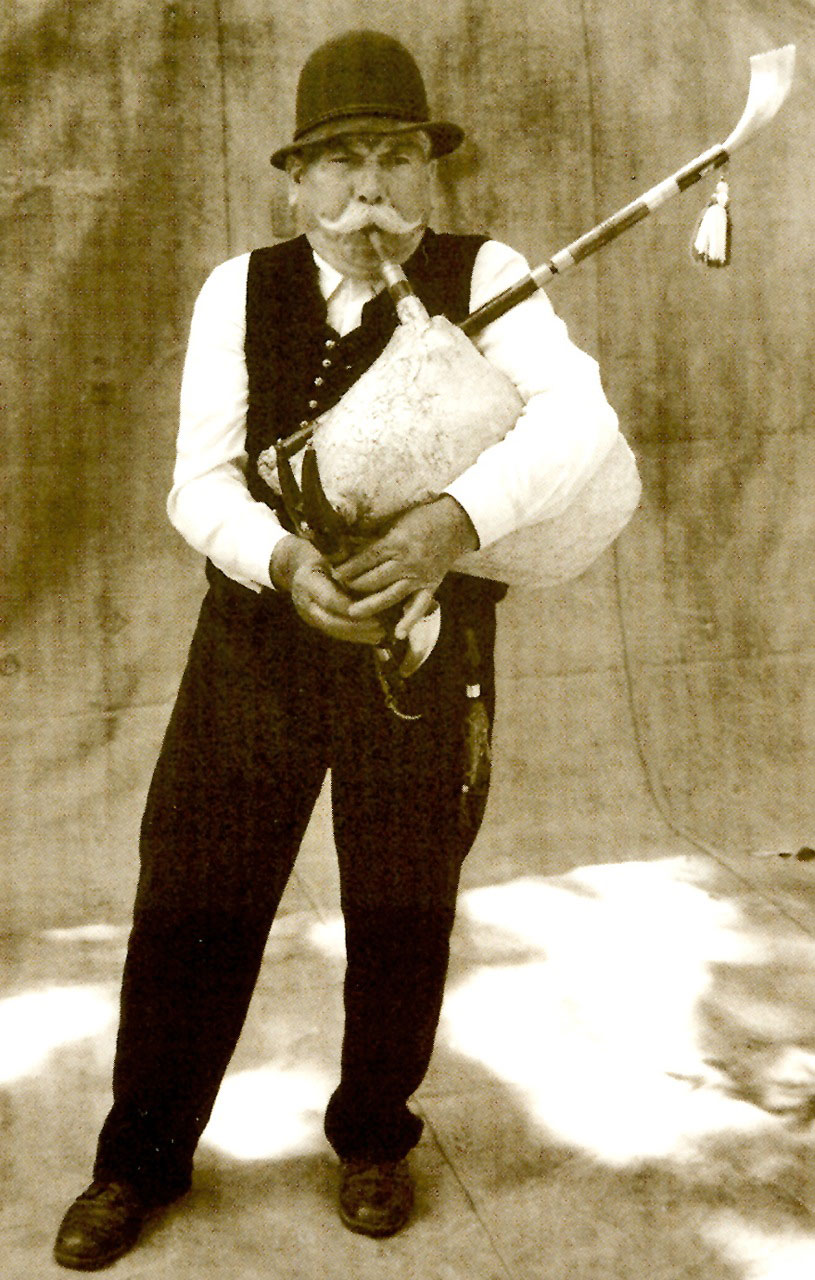
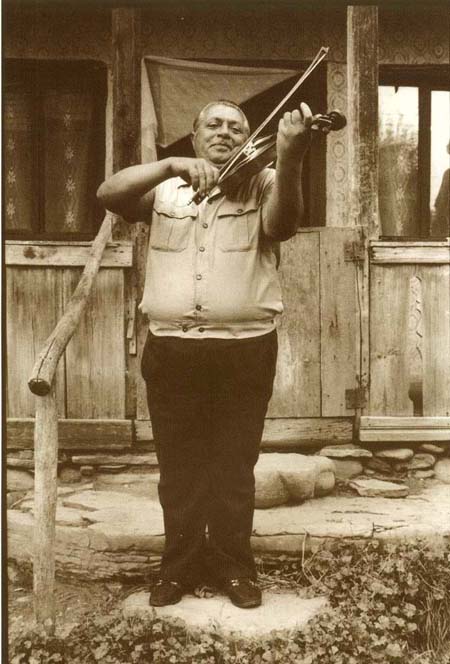
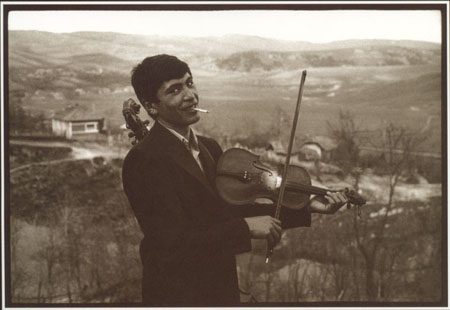
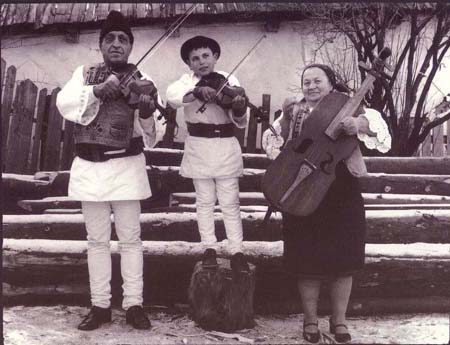
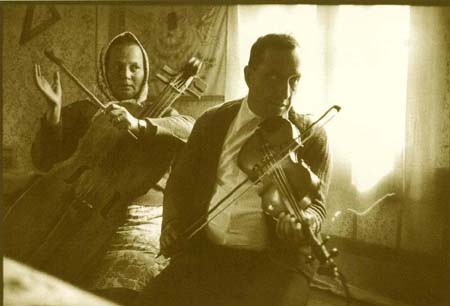
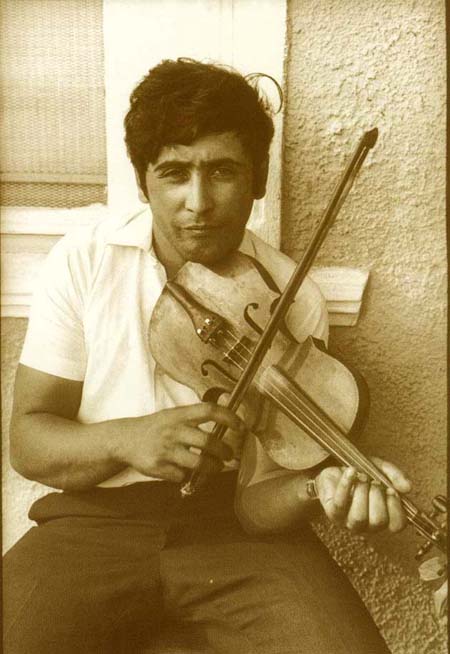
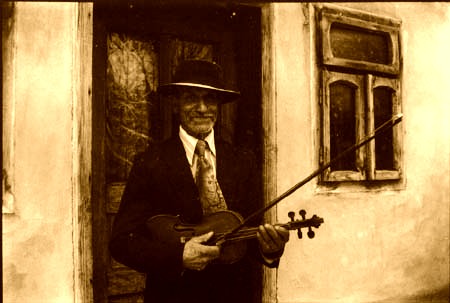
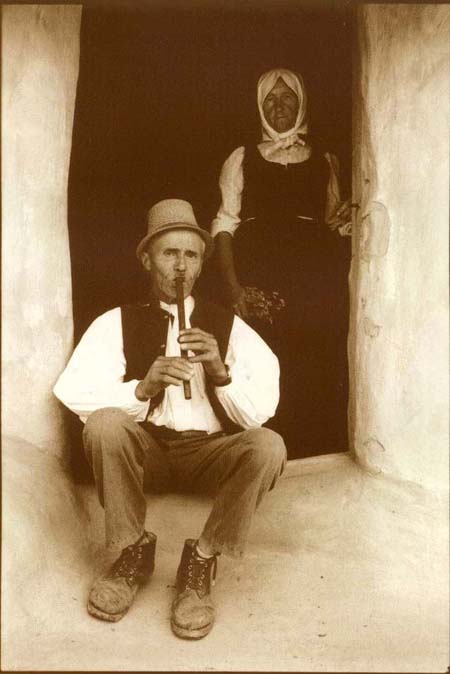
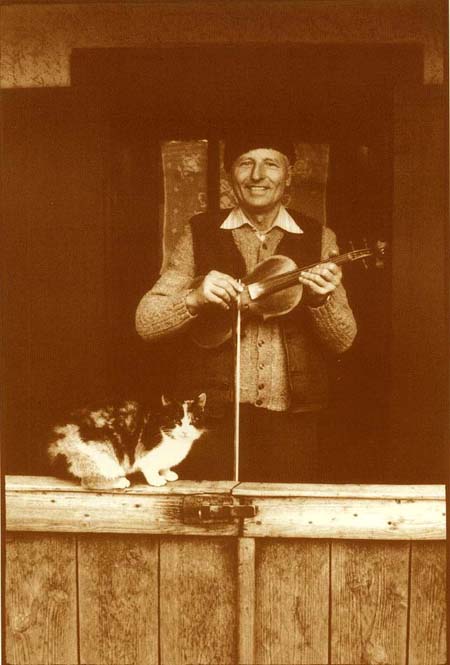
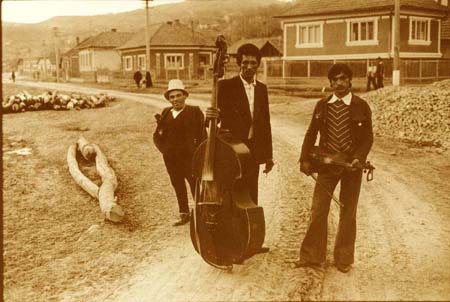
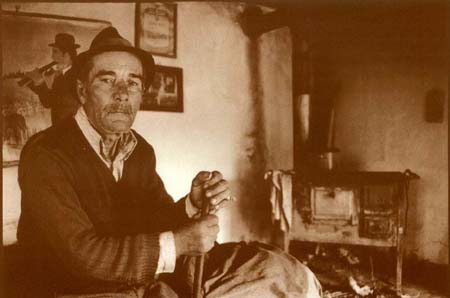
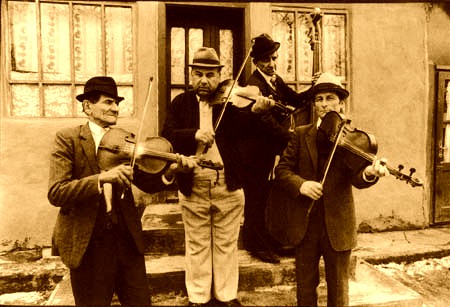
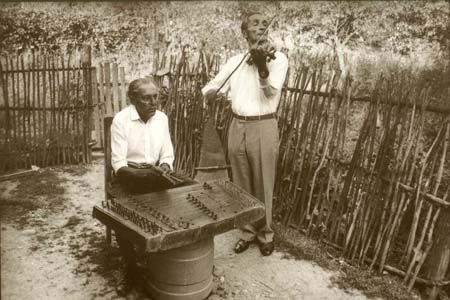
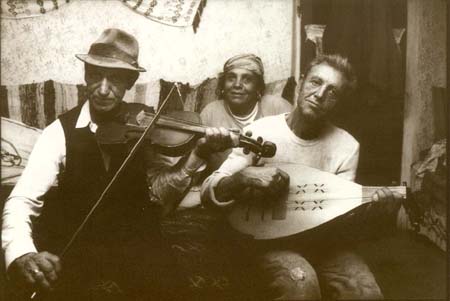
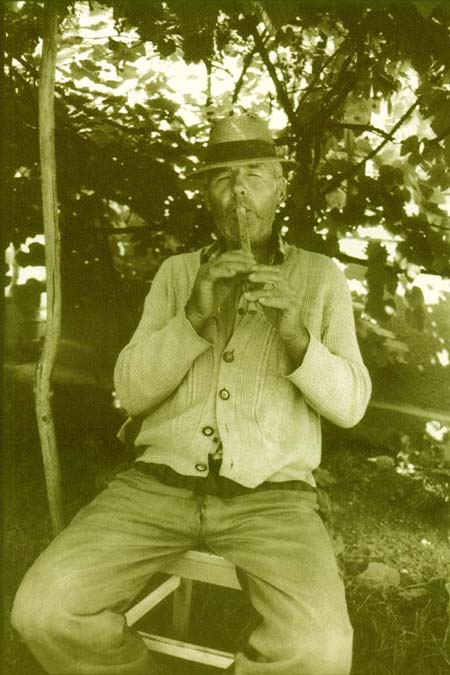
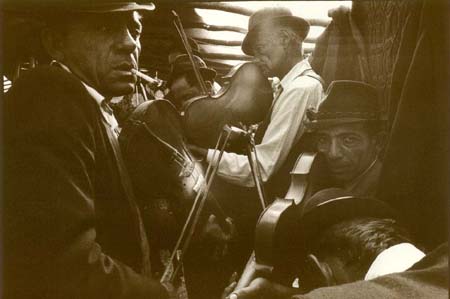
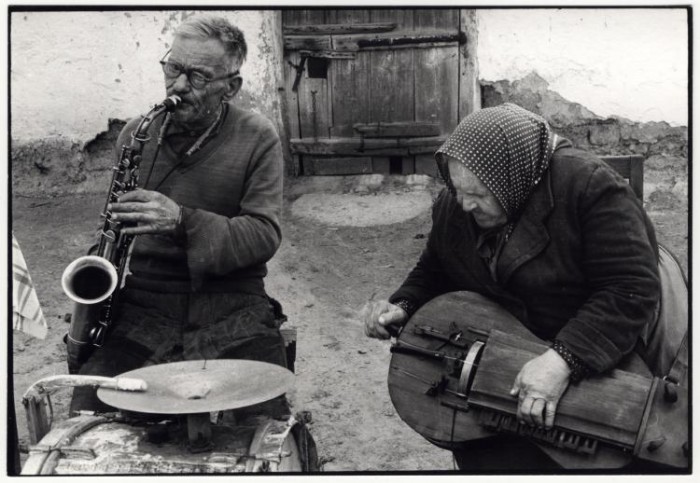
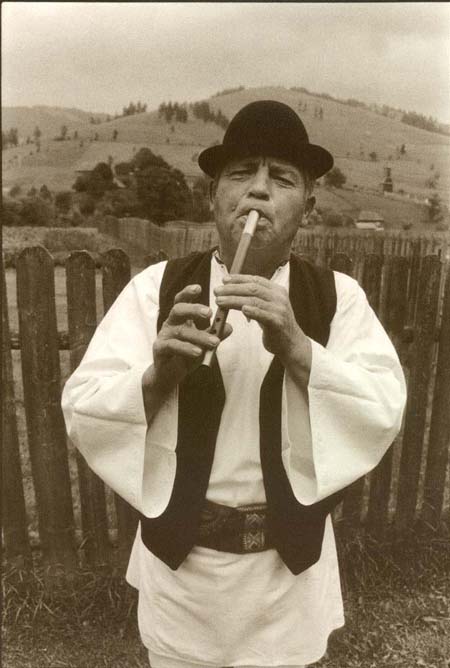
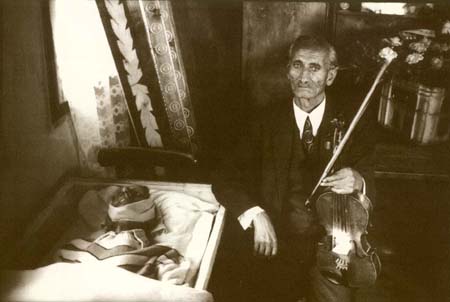
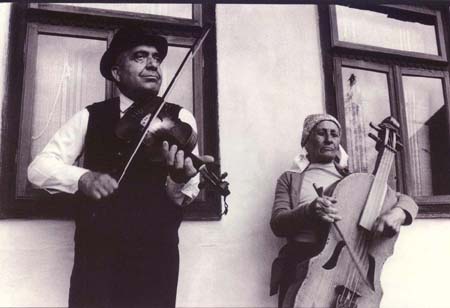
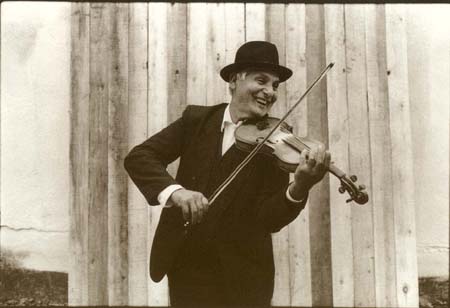
The American Hungarian Folklore Centrum is fortunate and proud to be able to support the publication of this photo collection by the exceptionally talented photographer, Béla Kása. No doubt the images are breathtaking and show superior photographic sensitivity by a gifted artist, but more should be mentioned about the subjects of these photographs, these Hungarian musicians. Who are these engaging persons, what do they stand for, why are they more important than only curious visual images on photographs? The men and women in these photos are the Frank Sinatras, Elvis Presleys and Michael Jacksons of their villages. They are loved, worshipped and respected, as they are able to provide music for all occasions; they can make people cry, dance, shout, sing and mostly smile just by striking up a tune. Most are from a gypsy lineage who serve their community and are considered one of the villagers, without discrimination. These musicians had not learned their art in conservatories, they had no formal musical training. They were born to be musicians and the minimal exposure to musical training was sufficient to build on to become virtuosos. Playing their visceral music, their talent and virtuosity are not less than of the greatest musicians of the world. Like the virtuosos Isaac Stern, Itzak Perlman or Midori, these folk artists” music also can mesmerize the listener. The traditional music which was handed down for generations and was preserved by these traditional artists is difficult to find or is nonexistent today in its authentic form. The present musical taste of even the most remote villages of Transylvania has changed, and electric, amplified musical instruments are replacing the traditional string bands. This is a natural phenomenon and we cannot and should not attempt to slow it down. However, as Zoltán Kodály predicted, it is the educated layer which will preserve folk culture in the future. Today, most authentic traditional music can be heard solely from old field recordings and scratchy long-play records, or possibly from some revival bands who are dedicated to the presentation of this art form. Music as it was played by the folk artists pictured in this book cannot be heard in live performance today, most of these virtuosos have passed away. However, we may come closer to understanding their music if we observe the powerful photographs in this book. We will appreciate more the lost treasures of Hungarian village music.
We owe Béla Kása gratitude for dedicating a significant portion of his last 20-25 years to be friend, live with and capture the images of these last surviving soldiers of the Hungarian musical tradition. His work is beyond monetary value, and his art is not only superior but it is also a documentary study of notable proportion.
Kálmán Magyar
Photo Gallery of — Kása Béla — Fotókiállítása
About the Photographer
I was born in Pécs, Hungaryin 1952. I studied Art Photography at the Art College of Cologne, Germany and obtained my B.A. there in 1979 for over twenty year I have been collecting and researching folk music in Transylvania, taking photographs of the musicians (many now long dead, a few still living) in their cultural context. These photographs formed the core of my recent exhibition “Musicians of Transylvania”. Of these photographs, I selected some to be presented with a few stories, tales that I’ve preserved in the depth of my soul. These are musicians amongst whom I have the privilege of enjoying their music of hearing to the story of their lives; and of joining them of hearing to the story of their lives; and of joining them to participate in their festivities. I was present when they grieved. I saw their lives in a properly functioning village community, and how they were – step by step – pushed into marginality, their traditionally important role taken over by a cheap, mass-produced bubble-gum culture.
Köszönet mindenkinek aki segítségemre volt e könyv létrehozásában, elsősorban a zenészeknek akik mindig büszkén és tartással állottak fényképezőgépem lencséje elé, feleségemnek, gyermekeimnek türelmükért, barátaimnak, akik elkísértek útjaimon, akik részt vállaltak a munkában és támogatták e könyv megjelenését;
Bari Karcsi, Baricz Kati, Berecz András, Csoóri Sándor, Deréky Géza, Éri Péter, Gyurkedli, Juhász Zoli, Halmos Béla, Kallós Zoltán, Koncz Gergő, Kelemen Laci, dr. Martin György, Ménes Ági, Miki, Morten és Emő, Magyar Kálmán, Mariann, Heki, Ádám, Poros, Puma, Roboz László, Szabó Judit, Gábor, Ajtony, Kriszta, Winter Erzsi
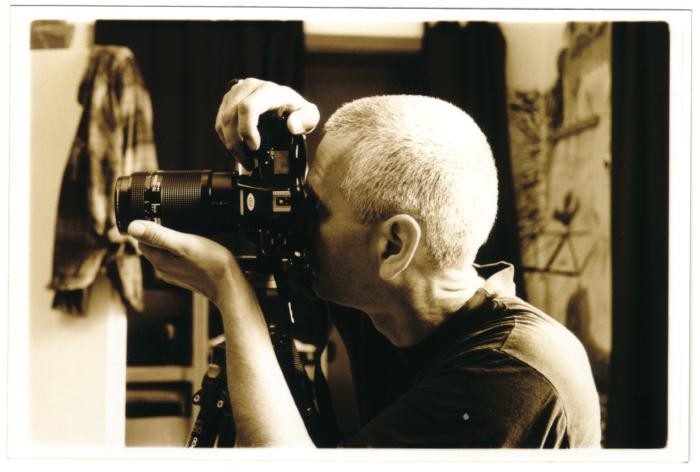 There are regions in Transylvania where this wonderful music – handed down for many generations – has faded from memory, and with it the memory of many legendary, great musicians. Still, every now and then I find place in Transylvania where the younger generation has kept this significant part of our culture alive, preserving and nurturing a cultural resource that will continue to be essential and treasured for all Hungarian communities.
May their music and their memory live on.
A mérai zenészek

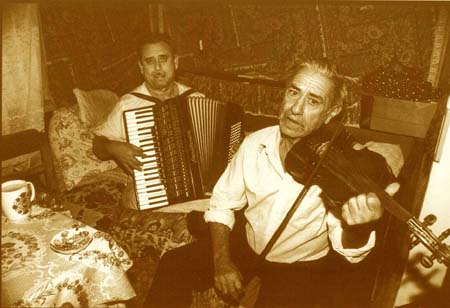
Tíz éves voltam, amikor először elkerültem Erdélybe, a kalotaszegi Méra községbe 1963 karácsonyán. Édesanyám Borbély Jolán és nevelőapám Martin György az ünnepek alatt a korábbi években megkezdett népzenei és néptánc gyűjtést szerették volna tovább folytatni. Filmfelvevő géppel, magnetofonnal, fényképezőgéppel felszerelkezve érkeztünk Kolozsvárra, majd onnan az első hajnali vonattal Mérába. Szüleim falusi barátai egyben a néprajzi gyűjtések “addatközlői” – a Tótszegi és a Varga család voltak vendéklátóink. Olyan szeretettel és örömmel fogadtak, hogy úgy éreztem mintha rég nem látott vidéki rokonokhoz érkeztünk volna Karácsonyt ünnepelni. Most is jó felidézni azt a szeretetteljes hangulatot, ahogyan ez a két társaság örült egymásnak. Mint egy nagy család, együtt ültünk az asztalnál mikor az ablak alatt megszólalt a zene. A cigányok jöttek köszönteni ahogy szokás. Az öreg Árus és Bandája. Elmondták a Karácsonyi köszöntőt, cserébe pálinkával, süteménnyel kínálták őket. Házról-házra jártak mint ahogy más kántáló csoportok is a faluban aznap este, de szívesen maradtak egy kicsit beszélgetni, muzsikálni. Én akkor döbbentem rá, hogy ez a zene az amit otthon Budapesten már hallottam magnór és amit annyira szerettem. Hogy ennek a zenének van arca és ezt a zenét emberek játszák. Tinka otthon már tanított táncolni, és amikor a zenekar legényest húzott, fel kellett álnom, hogy megmutassam a tudományomat. Árus Feri erre eldobta a bőgőt és ő is nekifogott táncolni. A szilaj zenére püfölni kezdte a csizmaszárát, úgy szólt mint a géppuska. Akkor még meg sem fordult a fejemben, hogy valamikor én is zenész leszek, de ez az este, ez az élmény végérvényesen odakötött Kalotaszeghez, a tánchoz és a zenéhez. Ezután ha a Méra fiúkkal engem is meglátott, hogy megérkeztünk a tánchoz, az öreg Árus mindig a legényesre fordította a muzsikát. Mindenkinek tudta a faluban melyik a legkedvesebb nóta, csárdása vagy legényese. Muzsikája sokak életét vegigkísérte a keresztelőtől a koporsóig. Mikor meghalt a mérai fiatalok vitték ki a vállukon a temetőbe. A barátságot melyet a szüleim kötöttek Méraban, mi is tovább örökültük; a fiam itt tanult zenélni, s a mérai templomban konfirmált. Itt kereszteltük meg a lányunkat is és lettünk a gyerekkori barátokkal most már keresztkomák. A régi mérai zenekarból Tóni Rudi Kormos muzsikált Neti Sanyi bácsi mellet a keresztelőben amit titokban, a hatóságok elől rejtőzködve tartottunk meg Hangya Józsi bácsiék házánál. Rudi követte elsőként az öreg árust a temetőben és meghalt Árus Feri is, aki nemcsak engem, hanem később sok más budapesti fiatalt is megtanított a legényesre. Ő volt a régiek közül aki eljuthatott zenészként, táncosként Neti Sanyi zenekarával Hollandiába, ahol azt énekelte lemezre: “Erdélyország az én hazám nem Német” Végül elment Árus Béla is, aki utolsó éveiben oly szívesen gyűjtötte maga köre lakásán a kalotaszegi zenét tanuló budapesti és külföldi fiatalokat. Két éve még a “fiúkkal” együtt vállalta el a juhmérésben való zenélést. A régi zenekarból már senki sincs életben, de a méraiak ma is szívesen emlegetik, milyen szépen hallszódott este a hegyről az Árusok muzsikája mikor az öreg Feri bácsi a fiaival gyakorolt.
Éri Péter Muzsikás együttes, Budapest
The musicians of Méra
I was ten when I first went to Transylvania, to Kalotaszeg and the village of Méra. That was the Christmas of 1963. During the holidays my mother Jolán Borbély and my foster-father György Martin wanted to continue the work they had started in the previous years on their folkmusic and folkdance collection. Complete with camera, cine camera and tape-recorder we arrived at Kolozsvár, then with the first morning train we went on to Méra.
Rural friends of my parents -at the same time the “informants” for the etnographical collections -, the Tszegi and the Varga family were our hosts. They welcomed us with so much love and joy that I felt as if we had come to celebrate Christmas with some long lost relatives of ours. Still today I recall that loving atmosphere with pleasure, as those two groups of people rejoiced at being together. As a big family we were sitting at the table, when under the window music sounded. The Gypsies had come to sing Christmas greetins. Old Árus and his band. They sang and in return they were offered fruit brandy and cake. They were walking from door to door as other chnating groups did that night, but they gladly stayed for a while to chat and to play music. It was then that I realized that this was the music that I had heard at home on the tape-recorder several times and loved very much. That this music had a face and that it is played by people. Tinka had already tought me to dance a bit at home, and when the band played the legényes, I had to stand up and show it. At this Feri árus threw the double-bass away and set about dancing, too. He began to pommel his boot-uppers to the wild music, it sounded like a machine-gun.
Tha one day I’d be a musician too had not yet even occurred to me. But that night, this experience once and for all tied me to Kalotaszeg, to dance and to music. Henceforth, whenever he saw me with the village boys having come to dance, the old árus always changed the music to a jaunty tune. He knew everyone’s favourite melody in the village. His music followed the life of many from baptism to the coffin. When he died the young people of Méra carried him to the cemetery on their shoulders.
The friendships which my parents made in Méra, we inherited. My son learned to play music here and was confirmed in the church of Méra. We batised our daughter here also and so our childhood friends became the godparents of our children.
Tóni Rudi Kormos from the old band of Méra played with uncle Neti Sanyi at the baptism which we held secretly, hiding from the authorities in the house of uncle Hangya Józsi. First, Rudi followed the old árus to the cemetery and then Feri árus died, who had taught not only me but several other young people from Budapest to dance the legényes. He was the one from the old band who was able to go to Holland as a musician and dancer with Neti Sanyi’s band. In Holland, where he sang, “Transylvania is my homeland, not Germany” for their record.
Béla Árus went finnaly too. In his last years he took much pleasure in gathering the young people from Budapest and abroad around himself who were learning the music of Kalotaszeg. Two years ago he still played with the “boys” out in the sheepfold.
No one is alive from the old band anymore, but the people of Méra often mention how nicely the music of árus sounded from the hill in the night when the old uncle Feri practised with his sons.
Péter Éri
Muzsikás band, Budapest